


+(1).png?v=d008d6ecd0bd43f97396b8370e2d3d5e)

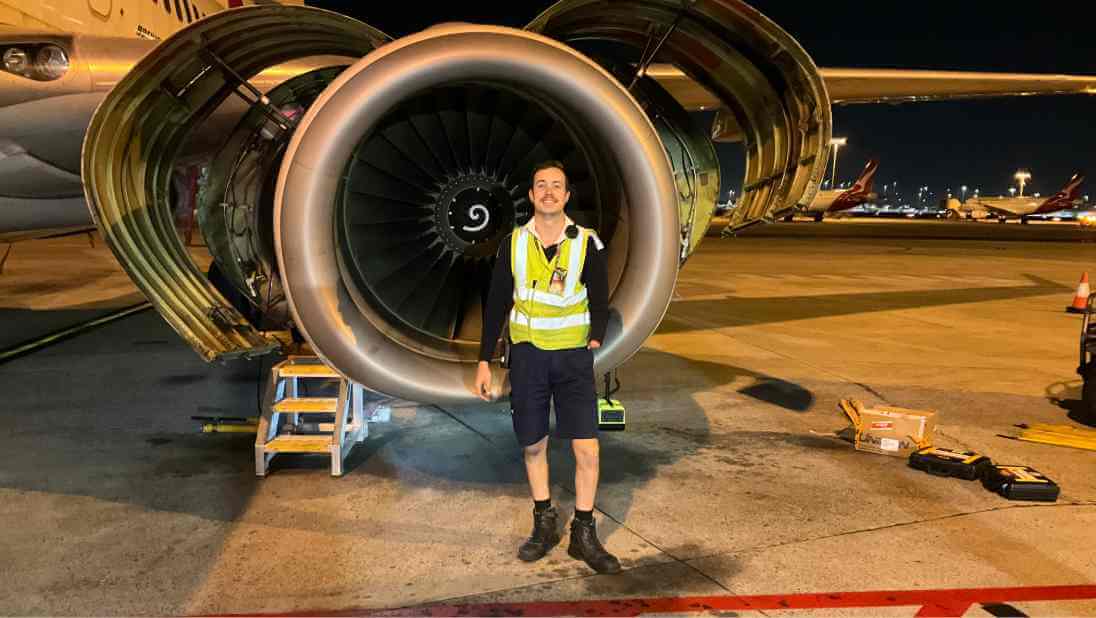
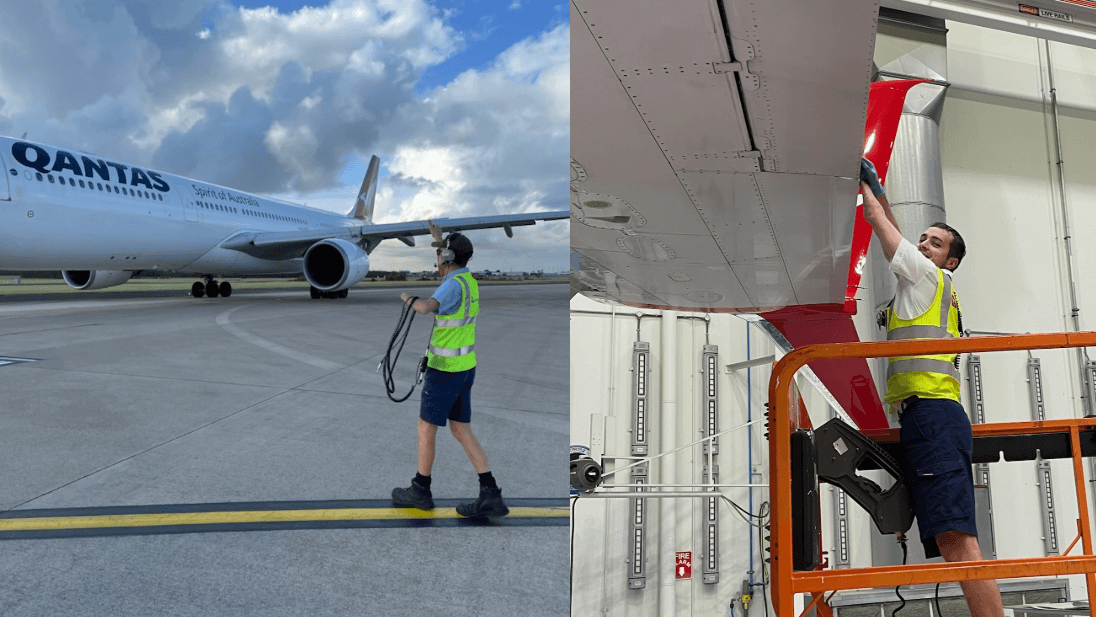

Teaser
Cabin Crew StoriesContent Type
PostsPublish date
12/15/2025
Summary
How did you first join Qantas? I joined the Qantas Group in December 2002 after spotting an advertisement in our local Mildura paper for QantasLink Cabin Crew on the Dash-8 turboprop. Twe

.jpg)
Teaser
Customer Service StoriesContent Type
PostsPublish date
11/04/2025
Summary
What first brought you to Qantas, and how did your career journey unfold? I joined Qantas in 2014 as an Indigenous School Based Trainee while completing my VCE. I first heard about t

Teaser
Corporate StoriesContent Type
PostsPublish date
11/03/2025
Summary
What first brought you to Qantas, and how did your career journey unfold? I joined Qantas as a contractor nearly 15 years ago to help solve a complex business challenge. Today, I’

Teaser
Qantas FreightContent Type
PostsPublish date
11/03/2025
Summary
Starting out My Qantas story began when I was 19 and studying Business Management at UTS, majoring in Tourism. I’ve always been fascinated by aviation and dreamed of working in the in
.jpg)
Teaser
Customer Service StoriesContent Type
PostsPublish date
10/01/2025
Summary
Joining the Flying Kangaroo Before joining Qantas, I had spent more than ten years in the aviation industry. Qantas was always my ultimate goal because the Flying Kangaroo represents more
.jpg)
Teaser
Corporate StoriesContent Type
PostsPublish date
10/01/2025
Summary
What first brought you to Qantas, and how did your career journey unfold? I’ve always wanted to work for Qantas. As a child, I flew between Australia and the UK as an unaccompanied minor,

Teaser
Pilot StoriesContent Type
PostsPublish date
09/30/2025
Summary
What first brought you to Qantas, and how did your career journey unfold? My journey began in a glider over Blanchetown, South Australia, at age 16. From that moment, I knew I was destine

Teaser
Cabin Crew StoriesContent Type
PostsPublish date
08/21/2025
Summary
From Dream to Career Working in customer service has always been my passion. Before joining Network Aviation (NAA), I managed a busy restaurant on Rottnest Island, but becoming a flight a

Teaser
Corporate StoriesContent Type
PostsPublish date
08/14/2025
Summary
From Loyalty to Customer Care: A Decade at Qantas Starting out I joined Qantas in 2015, beginning in Qantas Loyalty where I supported the Commercial team and Finance. My sister had been

Teaser
Engineering StoriesContent Type
PostsPublish date
08/11/2025
Summary
From Apprentice to Manager: 46 Years in Qantas Engineering Starting out I joined Qantas on 10 January 1979 as a Ground Engineer Electrical/Instrument Apprentice, what’s now called Avioni
